Going Digital: US Army Corps of Engineers Turns $500K into $500M Data Asset
The US Army Corps of Engineers (USACE) has collected millions of linear feet of subsurface data over decades for thousands of projects—dams, levees, bridges, and more. However, this data was stored in over 500 disparate databases, creating major inefficiencies in access, collaboration, and workflow.
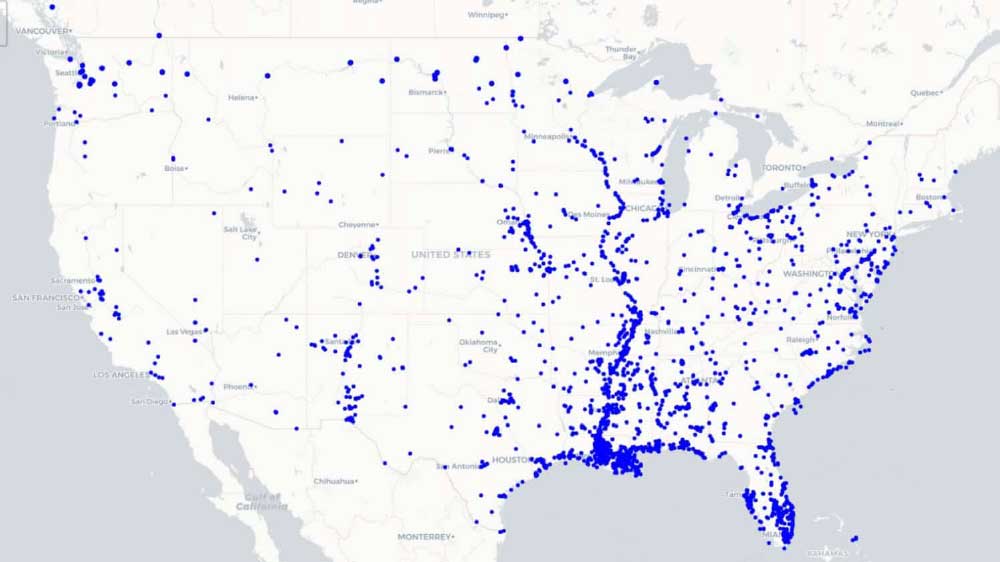
To solve this, USACE adopted a standardized, cloud-based data management system using OpenGround. The goal was to migrate all historical subsurface data—borehole, lab, and in-situ testing—into a unified platform. This required extensive data cleaning and standardization, a task that would have taken decades manually.
USACE partnered with Dataforensics to automate the process using APIs for gINT (where most legacy data was stored) and OpenGround. Their solution saved an estimated 67,000 work hours by automating six of seven key steps, including organizing files, generating reports, converting data formats, and uploading to OpenGround.
The benefits of this digital transformation were substantial:
- Improved Collaboration: All districts and contractors now work from a shared, standardized database.
- Enhanced Interoperability: Data integrates with tools like Civil3D, Leapfrog Works, GeoStudio, PLAXIS, and GIS platforms.
- Faster Decision-Making: Teams can access and share data quickly, enabling rapid responses to critical questions.
- Reduced Redundancy: Historical data is now easily accessible, reducing the need for re-drilling and lowering the carbon footprint.
Previously, each district used its own gINT setup, leading to inconsistent formats. The new enterprise-level solution unified these systems, improving data quality and usability. Dataforensics also corrected errors like typos and misclassified values, and extracted valuable lab test results that were previously only shown in reports.
The seven-step migration process included grouping similar databases, generating PDF logs, creating cleanup templates, calculating missing values, converting to OpenGround format, and uploading both data and documents.
Now, USACE can collaborate more effectively, make faster, data-driven decisions, and better manage risk. The move from paper-based systems to a modern digital platform has unlocked immense value and positioned the organization for a more efficient and resilient future.
Learn more about how Seequent’s connected portfolio can reduce data siloes and accelerate your project deliverables during the Subsurface informed infrastructure series.
By Paul Colbert
Comments are closed here.