
Rent or Buy a Drilling Rig? What Contractors Should Consider
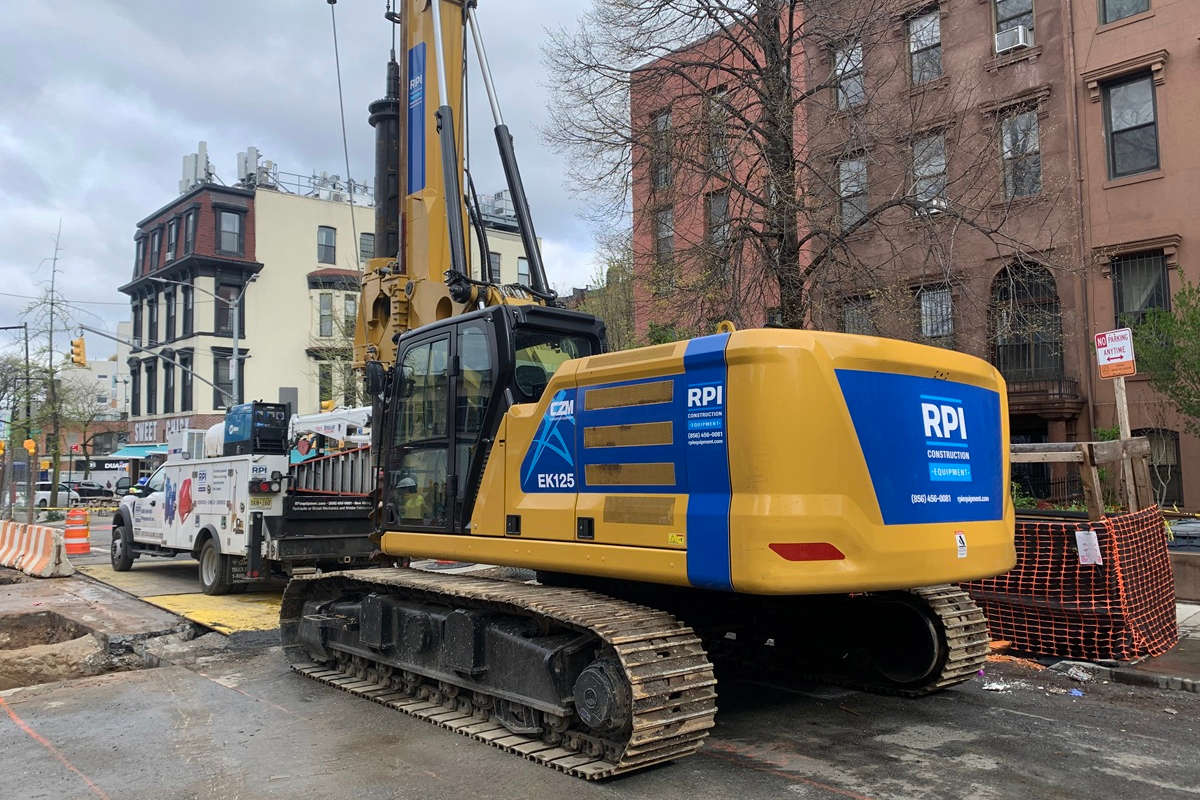
Choosing the right drilling rig can have a major impact on productivity, cost, and project scheduling. But after identifying the equipment that fits the application, contractors face another important question: Should you rent the rig or buy it?
As outlined in TBM’s guide to selecting an underground drilling rig, factors such as productivity, mobility, drilling speed, and operating conditions all influence equipment selection. The financial side of that decision deserves just as much consideration.
For some contractors, ownership provides the best long-term value. For others, renting provides access to the right machine without committing capital to equipment that may not stay busy. The answer often comes down to these five considerations.
1. How Often Will You Actually Use the Rig?
Utilization is one of the clearest starting points.
If a drilling rig moves consistently from one project to another and becomes a core part of a contractor’s fleet, ownership may offer greater long-term value. Frequent use allows the cost of the machine to be spread across more productive hours.
Renting can be more attractive when a project requires a rig that falls outside the contractor’s typical scope of work. A specialty foundation job, unusual drilling depth, or limited-access site may call for a machine that is extremely useful for several months but difficult to keep productive afterward.
Contractors evaluating that choice can review resources such as RPI Construction Equipment’s Drilling Rig Buyer’s Guide, which discusses rental, new equipment, and used-equipment options based on project and fleet needs.
2. Look Beyond the Purchase Price
Comparing a monthly rental rate with a purchase price does not tell the whole story.
Ownership costs continue even when equipment is not on a job site. Depending on the machine and operation, contractors may need to account for financing, insurance, storage, major repairs, and eventual resale value. Operating expenses such as fuel, lubrication, routine service, and wear parts add another layer.
CONEXPO-CON/AGG’s guidance on developing an accurate equipment rate similarly recommends separating ownership costs from operating costs when evaluating what a machine truly costs over its service life.
Rental shifts the equation. Instead of committing significant capital upfront, contractors can price equipment into an individual project and return it when the work is complete.
Neither model is automatically less expensive. The better choice depends on utilization and the full cost of keeping the machine productive.
3. Consider How Much Your Projects Vary
Drilling requirements are rarely identical from one site to the next.
Depth, diameter, ground conditions, overhead restrictions, access, working radius, and transportation requirements can all affect which rig configuration is most appropriate.
A contractor that performs highly consistent work may be able to standardize around an owned machine. A contractor pursuing a wider range of projects may benefit from rental because it provides the flexibility to select equipment for the individual application rather than making every job fit the equipment already sitting in the yard.
That flexibility can also help contractors pursue work they might otherwise decline because they do not own the required machine.
4. Account for Maintenance, Support and Downtime
Ownership also means taking responsibility for keeping the rig operational.
Preventive maintenance, troubleshooting, replacement parts, and repairs require both money and internal resources. Contractors with experienced mechanics and established fleet-management programs may already be equipped to handle those demands.
For companies without those resources, service support should be part of the rental evaluation. Before signing an agreement, contractors should understand what maintenance is included, who handles unexpected repairs, and what support is available if equipment goes down during a critical phase of the project.
Regardless of who owns the machine, safe operation remains essential. OSHA’s construction equipment requirements provide baseline requirements for the use, maintenance, and securing of heavy equipment on construction sites.
5. Think Past the Current Job
The best equipment decision should support both the current project and the contractor’s longer-term workload.
A project may appear large enough to justify purchasing a rig, but the more important question is what happens after that project ends. If similar work is already scheduled or routinely pursued, purchasing may strengthen the fleet.
If the future workload is less certain, renting can preserve flexibility while allowing the contractor to complete the immediate project with equipment suited to the job.
Rental can also provide a useful opportunity to operate a particular rig before making a purchase decision. Real jobsite experience can reveal how well the machine fits the crew, transportation requirements, and typical project conditions.
Choosing Based on the Entire Picture
Rent versus buy is ultimately less about finding a universal break-even point and more about understanding how the equipment fits the business.
Expected utilization, project diversity, ownership costs, maintenance capabilities, equipment availability, and future workload should all factor into the decision.
The goal is not simply to obtain a drilling rig at the lowest immediate cost. It is to choose an equipment strategy that keeps crews productive, minimizes unnecessary downtime, and supports profitable work over the long term.

Comments are closed here.