Tunnel Lining Materials Market Projected to Reach $12.7B by 2033
The tunnel lining materials market represents a vital segment of the global infrastructure landscape, supporting the development of transportation corridors, water management systems, mining operations, and energy infrastructure. As urban expansion, population growth, and environmental constraints continue to drive underground construction, the demand for reliable, durable, and technologically advanced tunnel lining solutions is steadily increasing.
According to Research Intelo, the global tunnel lining materials market was valued at USD 7.4 billion in 2024 and is projected to reach USD 12.7 billion by 2033, expanding at a robust CAGR of 6.2%. This sustained growth reflects long-term infrastructure investment, rising urbanization, and continuous advancements in tunneling and material technologies.
What Are Tunnel Lining Materials and Why Are They Essential?
Tunnel lining materials are structural components installed along tunnel excavations to provide permanent support, stabilize surrounding ground, prevent water ingress, and protect tunnels from environmental and mechanical degradation. These linings ensure the structural integrity, safety, and durability of underground structures throughout their operational lifespan.
Tunning lining systems are extensively used across:
- Road and rail tunnels
- Metro and urban mass transit networks
- Hydropower and water conveyance tunnels
- Mining, utility, and service tunnels
The performance of tunnel lining materials directly influences construction timelines, maintenance requirements, safety standards, and overall project economics.
Which Materials Dominate the Tunnel Lining Materials Market?
The market comprises a diverse range of material solutions, selected based on geological conditions, tunnel purpose, load requirements, and cost considerations.
Key material segments include:
- Concrete Linings
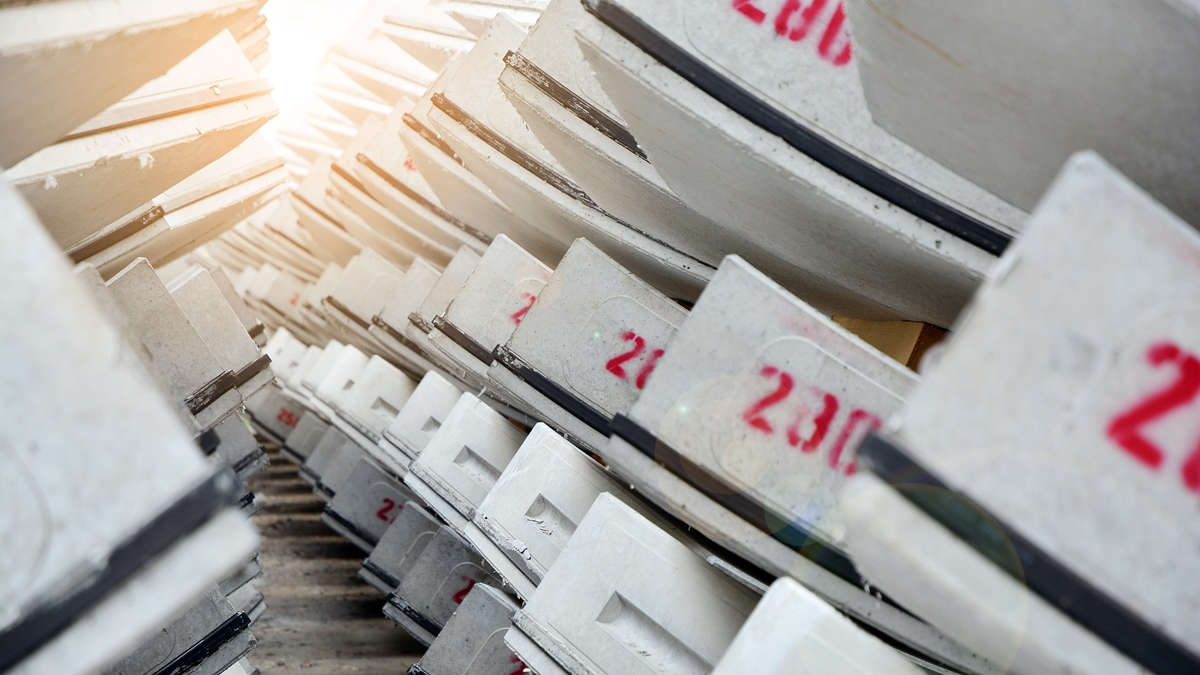
Concrete remains the most widely used tunnel lining material due to its cost-effectiveness, availability, and proven performance across diverse underground conditions. Both precast and cast-in-place concrete linings are extensively adopted, particularly in mechanized tunneling projects. High compressive strength, durability, and adaptability make concrete linings a dominant contributor to overall market revenue.
- Steel Linings
Steel linings are utilized where high tensile strength, flexibility, and resistance to deformation are required. These linings are commonly applied in segmental tunnel construction, high-pressure water tunnels, and temporary support systems during excavation. Steel linings offer superior load-bearing capacity, particularly in challenging geological environments.
- Polymer-Based Linings
Polymer-based linings, including materials such as high-density polyethylene (HDPE) and polyvinyl chloride (PVC), are increasingly used in applications requiring chemical resistance, corrosion protection, and lightweight installation. These linings are particularly suitable for wastewater tunnels, utility conduits, and environments exposed to aggressive chemicals.
- Composite Linings
Composite linings combine reinforcing fibers, such as glass or carbon fibers, with polymer matrices to deliver high strength-to-weight ratios, enhanced durability, and improved resistance to cracking and corrosion. These advanced materials are gaining traction in specialized applications where long service life and reduced maintenance are critical.
What Factors Are Driving Market Growth?
The projected expansion of the tunnel lining materials market to USD 12.7 billion by 2033 is supported by several structures and economic drivers:
- Accelerated Infrastructure Development:
Governments and private sector stakeholders are investing heavily in transportation and urban infrastructure to support growing populations and economic activity. Metro rail systems, highway tunnels, and cross-city underground corridors require durable lining solutions capable of ensuring long-term safety and reliability.
- Advancements in Material Science:
Continuous innovation in material engineering has led to the development of high-performance concrete, corrosion-resistant steel alloys, and advanced polymer and composite formulations. These materials are designed to withstand harsh underground conditions, seismic stress, and chemical exposures, while also reducing maintenance and lifecycle costs.
- Expansion of Water and Energy Infrastructure:
Increasing demand for hydropower generation, water transfer systems, sewage networks, and utility tunnels is creating new growth opportunities. Aging water infrastructure in many regions is also driving rehabilitation projects that require advanced lining solutions capable of improving structural resilience.
How Is Technology Transforming Tunnel Lining Solutions?
Technological advancements are reshaping the tunnel lining materials market by improving construction efficiency, performance monitoring, and sustainability outcomes.
Key technological advancements include:
- Automation and digitally controlled precast segment manufacturing
- High-performance and fiber-reinforced concrete formulations
- Fiber-reinforced shotcrete reducing dependence on conventional steel reinforcements
- Smart tunnel linings embedded with sensors for real-time structural health monitoring
- Digital modeling and simulation tools for optimized lining designs
These innovations enable faster construction cycles, improved quality control, and extended service life of tunnel infrastructure.
What Challenges Affect the Tunnel Lining Materials Market?
Despite favorable growth prospects, the market faces several challenges that influence adoption and profitability. High initial material and installation costs, complex regulatory frameworks, and technical challenges associated with underground construction can increase project timelines and capital requirements. Additionally, fluctuation of raw material prices and supply chain disruptions may impact cost stability.
Addressing these challenges requires ongoing innovation, investment in skilled labor, and the adoption of standardized construction practices to ensure consistent performance across projects.
How Does Sustainability Influence Material Selection?
Sustainability considerations are becoming increasingly important in tunnel construction, particularly for publicly funded infrastructure projects. Material selection now emphasizes environmental impact alongside structural performance.
Key sustainability trends include:
- Adoption of low-carbon cement and alternative binders
- Use of recycled aggregates and industrial by-products
- Longer-lasting linings that reduce lifecycle emissions and maintenance needs
- Efficient construction methods designed to minimize waste and energy consumption
Environmental regulations and ESG-driven procurement strategies are expected to further accelerate the adoption of sustainable tunnel lining materials.
Which Regions Lead the Tunnel Lining Materials Market?
Regional demand for tunnel lining materials varies based on infrastructure investment levels, urbanization trends, and geological conditions.
- Asia Pacific dominates the global market, driven by extensive infrastructure development in China, India, Japan, and Southeast Asia. Rapid urbanization, population growth, and large-scale government initiatives have fueled the construction of metro systems, highway tunnels, and water infrastructure projects.
- Europe represents a mature yet steadily growing market, characterized by infrastructure modernization, cross-border rail projects, and a strong emphasis on environmental sustainability. Investments in high-speed rail, metro expansion, and water management continue to support demand for advanced lining solutions.
- North America benefits from transportation upgrades and rehabilitation of aging infrastructure. Ongoing investments in metro systems, road tunnels, and water supply networks are driving demand for durable and technologically advanced tunnel lining materials.
- The Middle East and Africa region is witnessing growing demand driven by urban development, economic diversification, and large-scale infrastructure initiatives. Tunnel construction related to urban transit, water management, and energy projects is supporting market expansion.
What Is the Future Outlook for the Tunnel Lining Materials Market?
The tunnel lining materials market is projected to maintain steady growth throughout the forecast period, supported by long-term infrastructure planning and increasing reliance on underground construction solutions. As surface space constraints intensify in urban areas, tunnels will continue to play a strategic role in transportation, utilities, and energy systems.
With the market expected to grow from USD 7.4 billion in 2024 to USD 12.7 billion by 2033, future demand will increasingly favor advanced, durable, and sustainable lining materials, alongside greater adoption of prefabrication and digital construction technologies. Tunnel lining materials will remain a foundational component of modern infrastructure development worldwide.
Source: https://researchintelo.com/report/tunnel-lining-materials-market


Comments are closed here.