
Evaluating the Material Limits of Impact Resistant Conduits in Deep Mining Applications
By Emily Newton
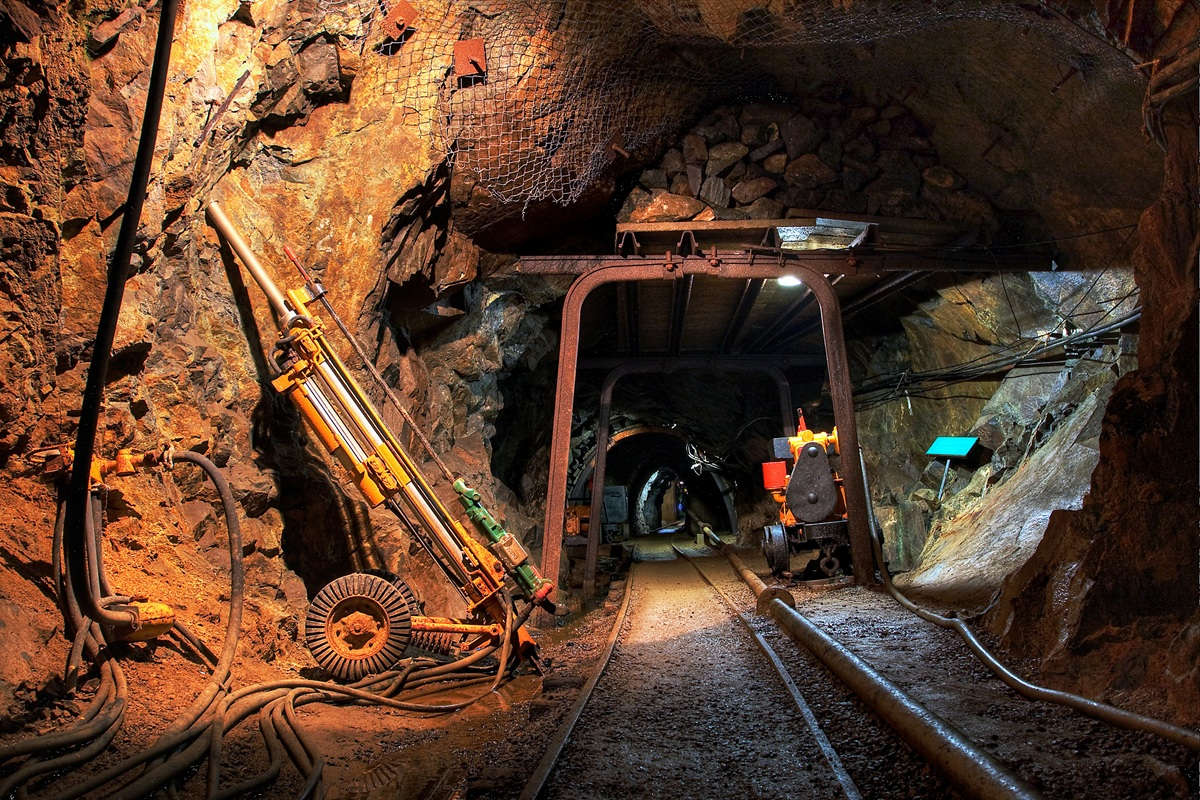
Deep underground mining operations subject electrical infrastructure to forces rarely encountered in surface environments. Rockfalls, abrasive slurries, chemical exposure and mechanical impacts from heavy equipment can compromise conduit integrity within months. This can lead to consequences that extend beyond equipment damage to include production delays and elevated risk to personnel working in confined, hazardous spaces.
The Unique Hazards Facing Cable Protection in Mining
Deep mining exposes heavy-duty electrical conduit for mining equipment to several hazards simultaneously, including abrasive debris, moisture, chemicals, vibration and extreme mechanical force. These overlapping conditions accelerate material degradation far beyond what typically occurs in surface-level industrial settings. Conduits attached to mobile mining equipment must withstand constant movement, repeated bending and torsional stress.
The resulting strain causes fatigue, cracking or separation at connection points over time, while water ingress during dewatering and other underground operations creates additional risks. Damaged seals or conduit walls allow moisture to reach electrical components, increasing the likelihood of corrosion, short circuits and equipment failure.
Constant movement and abrasion during dewatering can lead to specific failure patterns in underground mining environments. This underscores the need for materials that address both gradual wear and sudden high-impact events from rockfalls, equipment collisions and falling debris.
Threats From Abrasion and Chemical Exposure
Repeated contact with jagged rock, mineral dust and slurry wears through abrasion-resistant conduit surfaces and gradually exposes the cables inside. Oils, fuels and processing chemicals compound this mechanical damage by causing certain jacketing materials to swell, soften or become brittle, which is why these two degradation mechanisms should be evaluated together rather than in isolation. Surface damage from abrasion accelerates chemical penetration, creating a cascade effect that undermines protective integrity.
Risks of High-Impact and Crushing Forces
Rock bursts and falling debris near mobile equipment subject conduits to sudden impacts that can exceed their rated capacity. Even when the outer surface remains intact, crushing forces may deform the conduit or damage the conductors within. Impact-resistant cable protection must balance raw impact strength with sufficient flexibility. While rigid materials may achieve high impact ratings, they often fail under the repeated flexing typical of mobile equipment installations.
Key Metrics for Evaluating Conduit Performance
Rather than selecting conduit based solely on material type, engineers should focus on measurable performance under impact, crushing, tension and repeated movement. Test ratings provide valuable baseline data, but these laboratory results must be compared with actual mine conditions that account for combined exposure to moisture, abrasion and vibration.
Protective value depends on the conduit material itself as well as the compatible fittings, secure connections and the ability to maintain sealing integrity after mechanical stress. The primary function of conduit systems is robust physical protection of electrical circuits. Metallic options provide the added benefit of electromagnetic interference shielding.
Understanding Impact Resistance Ratings
Enclosure-focused standards such as NEMA 250 and IEC 62262 can help engineers evaluate environmental protection and external mechanical impact resistance, while conduit-specific requirements should be confirmed against the applicable product standard and installation code. When selecting appropriate ratings, engineers should consider the likely force of falling rock, debris strikes or contact with heavy equipment in their specific operations. Testing protocols should reveal whether an impact causes hidden deformation that could damage or restrict the enclosed cables.
Assessing Tensile Strength and Flexibility
Tensile strength indicates how well the conduit resists pulling forces without stretching, separating or tearing. Bend radius and flexural endurance reveal whether it can move repeatedly without kinking or developing fatigue cracks. These are critical factors for mobile equipment applications that require balancing flexibility for routing with sufficient strength to withstand vibration and cable drag. Materials that excel in one property may prove inadequate when both characteristics are essential to the application.
A Comparison of Modern Heavy-Duty Electrical Conduits
Selecting the right heavy-duty conduit requires comparing how metallic and advanced nonmetallic materials perform against the specific hazards present in deep mining environments.
The Established Role of Metallic Conduit Systems
Steel and other metallic conduits have earned their place in demanding industrial environments through decades of proven mechanical strength. Their robust construction provides strong resistance to severe impacts while also offering EMI/RFI shielding.
Metallic flexible conduit accommodates some movement and complex routing without sacrificing substantial physical protection. According to Atkore, these systems “typically offer higher mechanical performance properties than nonmetallic flexible conduits.”
This strength comes with trade-offs, however. Weight, corrosion risk and limited flexibility can make metal less practical for constantly moving equipment.
The Advantages of Advanced Polyamide and Rubber Compounds
While metallic systems offer maximum impact strength, advanced nonmetallic conduits deliver high impact resistance. They remain flexible enough to accommodate repeated movement, tight routing and vibration on mobile mining equipment. Polyamide offers a particularly strong balance of abrasion resistance, chemical stability and low weight, making it well-suited for areas where rigid metal may be difficult to install or maintain.
Reinforced rubber and layered composite designs achieve their durability through careful engineering. They use durable outer covers and internal braiding to resist oil, crushing, tearing and repeated flexing. AerosUSA notes that “heavy-vehicle cable protection, such as conduit systems for the mining industry, can help keep essential wires and circuits in top condition.”
Prysmian notes that in underground mining applications, “particular requirements, such as mechanical strength and safety, have led to the use of high-grade mechanically resistant rubber.”
Anaconda Sealtite explains that modern nonmetallic conduits achieve this performance through sophisticated construction methods. “LFNC-A conduit is constructed with a smooth PVC inner core bonded to an oil-resistant PVC outer cover and further strengthened by a nylon fiber braid between the two layers,” the company says. These systems can reduce installation time and strain on connection points while still protecting cables from harsh underground conditions.
Frequently Asked Questions About Mining Conduits
Two key questions can help engineers clarify the standards and material considerations that should guide conduit selection.
Are there specific conduit standards for underground mining applications?
Mining operations in the United States are subject to Mine Safety and Health Administration regulations, which establish specific requirements for equipment used underground. Equipment often requires approval, particularly for flame resistance and explosion-proof characteristics. Applicable standards vary by mine type, equipment location and installation design. Engineers should verify MSHA, NEC, product-specific and site-specific requirements for flame resistance, permissibility, cable protection and explosion-risk control.
Which conduit material offers the best impact resistance for mobile mining equipment?
No single material universally provides the best impact-resistant cable protection across all mining applications. The optimal choice depends on trade-offs between maximum impact strength, which rigid metallic conduits often deliver, and other factors critical for mobile equipment. These include flexibility, vibration resistance and weight.
Advanced polyamides and composites excel in applications where repeated flexing, chemical exposure and ease of installation are as important as peak impact ratings. Engineers should evaluate the complete operational profile rather than selecting based solely on impact test results.
Specifying the Right Conduit for Long-Term Reliability
Engineers in the mining industry must look beyond basic specifications and evaluate conduits through a holistic view of materials science, performance metrics and the specific hazards of the intended application. While laboratory test results provide valuable baseline data, real-world durability ultimately emerges from how materials respond to simultaneous exposure to abrasion, chemicals, moisture and mechanical stress.
As mining operations push deeper and equipment becomes more sophisticated, the electrical protection systems supporting these assets must demonstrate equivalent advances in material performance and engineering rigor.
Emily Newton is a construction and industrial journalist.


Comments are closed here.