
Safeguarding Surface Structures During Tunneling
By Ellie Gabel
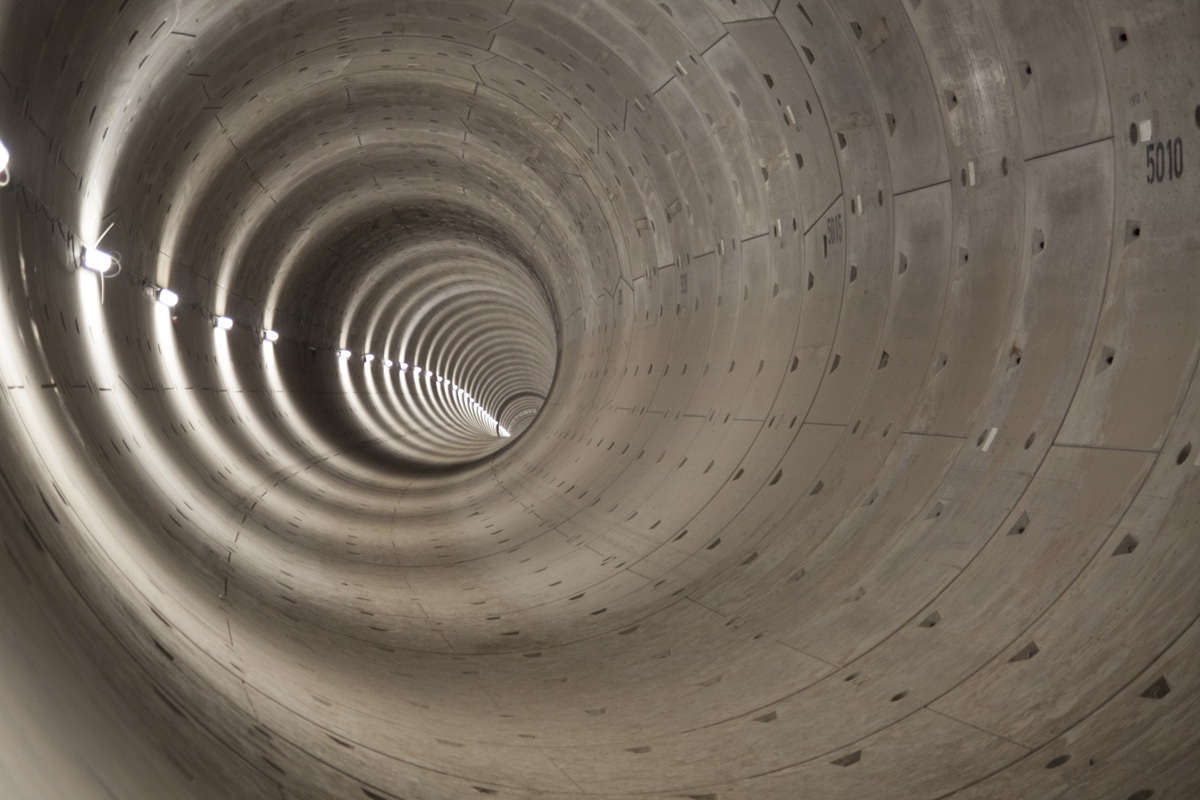
Digging tunnels in densely populated areas is a high-stakes endeavor. A miscalculation can result in damage to buildings, roadways or buried utilities. Leveraging the available engineering solutions and technologies to prevent tunneling disasters should be high on the agenda.
Site Investigation
The impact of excavation on aboveground facilities depends on tunnel depth, soil conditions and proximity to the structures. These factors should determine the most suitable deep tunneling method for the project. For instance, earth pressure balance tunnel boring machines are perfect for soft or mixed soil conditions to maintain face stability and control water pressure.
Geotechnical investigation findings can also reveal geological anomalies. Such insights should help engineers narrow down viable ground improvement techniques to get around potential operational challenges.
Project Planning
Project stakeholders should have a contingency plan for every worst-case scenario to mitigate the impact on the surface structures. Preparing for adverse weather events and emergency equipment repairs matters.
Midexcavation machine failure increases the risk of ground settlement when left unresolved for too long. A sudden heavy downpour merits intensified water removal efforts to prevent groundwater migration toward the tunnel.
Pay attention to weather reports to track incoming storms. Tuning in to local announcements is essential even if forecasts say that a hurricane may not hit the jobsite, as it could still rain heavily in nearby locations.
Keep a list of contacts specializing in specific tunneling emergencies. Working with adaptable crews that can tailor construction techniques to unique, ever-changing situations is the key to overcoming project emergencies and safeguarding surface structures.
Deep Well Dewatering
Deep well systems suit areas with significant hydrostatic pressure, resulting from a high water table that forms when the groundwater cannot disperse or drain. A large-diameter well can efficiently draw down large volumes of groundwater for an extended period, keeping the excavation stable no matter how long the project takes.
Robust tunnel linings can offset dewatering-induced settlements. These structural reinforcements help distribute loads and minimize ground movements, ensuring sensitive surface structures, especially historic buildings that can crack or tilt on unstable ground.
Real-Time Monitoring
Comprehensive monitoring systems can continuously collect and transmit data on ground movements, pore water pressures, and other vital variables. They power fast decision-making, enabling tunneling professionals to take timely mitigation measures after detecting minor displacements.
Tech-forward tunneling teams combine various sensitive measurement instruments to monitor the structural health of underground infrastructures. They gather data using lidar, total stations, fiber-optic sensors, extensometers, inclinometers, vibrating wire pressure cells and many other advanced tools.
Multisensor data fusion prevents the loss of information correlation between datasets due to independent analysis. This method enables engineers to see a more complete picture of excavation conditions and monitor tunneling operations more effectively.
Safeguarding Surface Structures During Deep Tunneling Projects
When excavating urban areas, the risk of damaging aboveground infrastructures never disappears. Despite this reality, tunneling professionals can break new ground by upholding proven practices and adopting the latest techniques to mitigate the unavoidable dangers of the job.
Ellie Gabel is a freelance writer who specializes in covering the latest innovations in science and technology for an audience of industrial professionals. She is also the associate editor at Revolutionized.com.
RELATED: Why the Human Element Is Still a Necessary Aspect of Tunnel Monitoring


Comments are closed here.