
4 Critical Uses for Industrial Air Compressors in Heavy Civil Tunneling
By Emily Newton
Tunneling projects require extensive expertise, intensive planning and specialized equipment. Continuous-duty air compressors are important components of the third category. These machines provide sustained operational capabilities, running on batteries, electricity or solar power instead of gas motors. They eliminate fumes and the need to transport gas to a site, while offering quieter operation than their counterparts.
Workers use continuous-duty air compressors to complete various project phases and tasks, helping them stay on schedule and avoid accidents. What are some specific uses for industrial air compressors during heavy-duty civil tunneling projects?
1. Utilizing Shotcrete
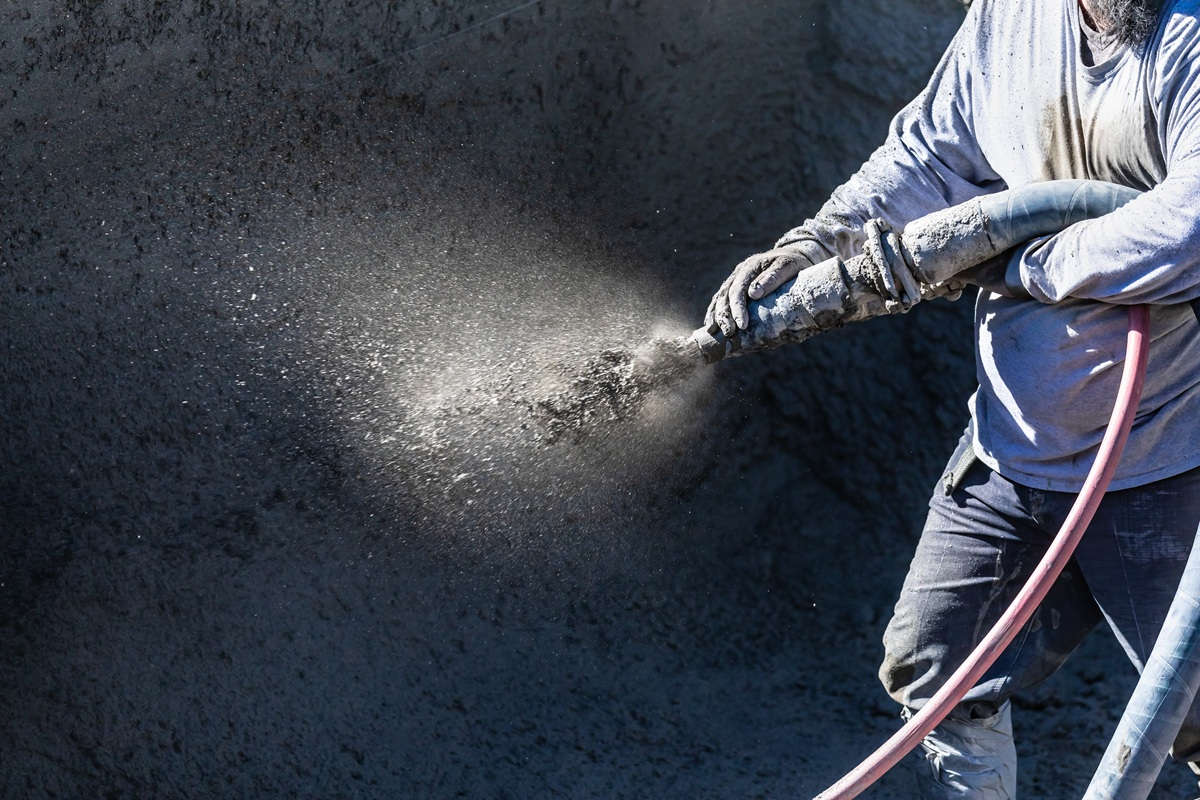
Shotcrete is a high-velocity method of applying concrete to a vertical or overhead surface. Construction crews commonly use it to line tunnels. Doing this permanently or temporarily reinforces excavations to increase safety and, depending on the products used, can provide fire-resistance.
Compressed air facilitates the shotcrete process. It moves a concrete mixture from the nozzle to a target surface, which encourages the formation of a dense and thoroughly bonded concrete layer. Those using continuous-duty air compressors benefit from a consistent nozzle velocity, which helps them apply the concrete in a uniform thickness while maintaining productivity and reducing unnecessary waste.
Although having the appropriate equipment is a foundational starting point, crews should also familiarize themselves with the tunneling shotcrete air requirements for a given project or phase. That is because they differ depending on whether someone uses the dry-mix or wet-mix method. The first requires dry materials with water added at the nozzle, while the latter mixes water into the concrete earlier.
Experts say the optimal air volume for the wet-mix process is 200-400 cubic feet per minute, though numerous factors can introduce variability. They include higher-volume or higher-velocity applications, or those with blowpipes, all of which increase the air volume capacities. These recommendations apply when working at 100 pounds per square inch.
Although the compressor’s operating volume moves the concrete mixture from the gun to the hose, it varies depending on the hose length, the mixture’s density, the number of bends in the hose and the distance from the nozzle to the gun.
2. Operating Concrete Vibrators
Concrete vibrators send rapid pulses through freshly poured material, effectively removing trapped air and facilitating proper settlement. Air compressors operate pneumatic vibrators that transmit this movement while attached to external locations, such as formwork and molds, or via high-speed heads inserted directly into the mixture.
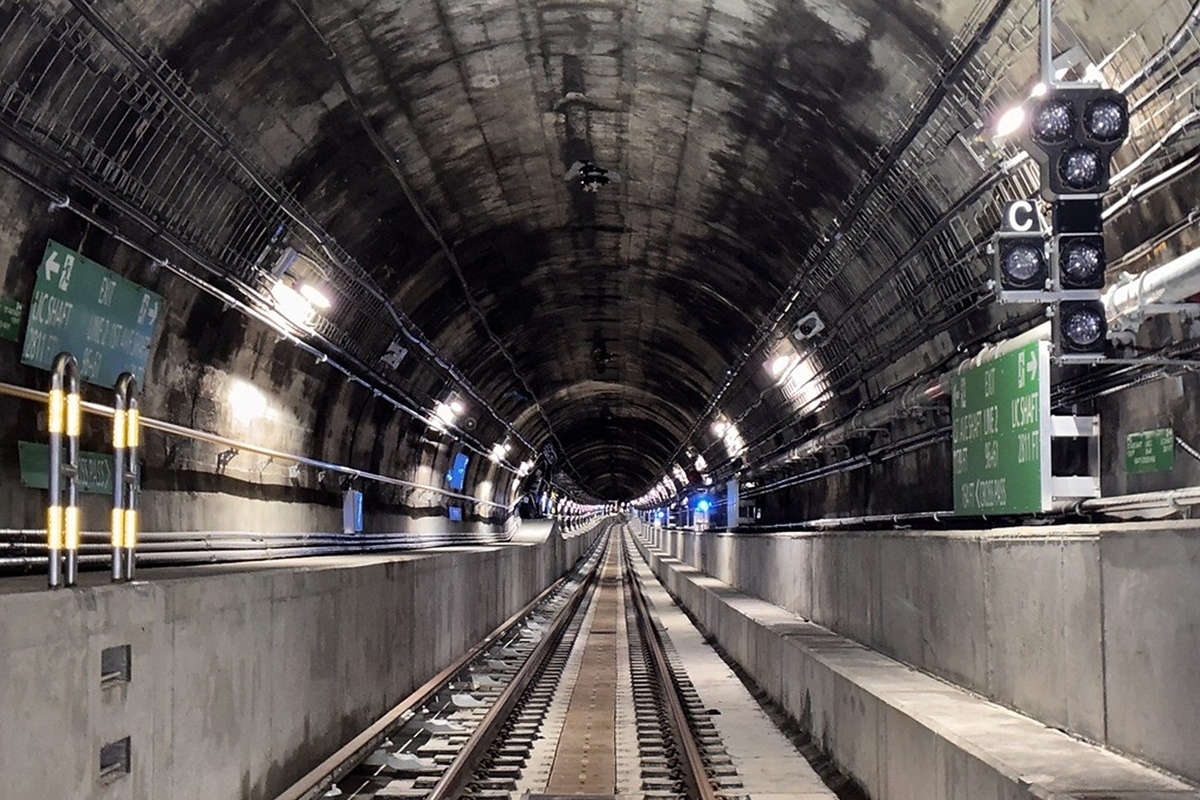
Delaying or prematurely using concrete vibrators can result in quality defects, such as voids. These empty spaces can significantly delay projects once discovered. In a 2026 case, workers discovered voids in a concrete tunnel’s ceiling and determined that water was leaking through them.
These issues necessitated keeping the tunnel closed for another month. An executive familiar with the project clarifies that crews found 102 voids within 203 locations and could not install overhead wires on schedule due to these quality concerns.
She explains that the overhead lines power some of the trains going through the tunnel, and installing them correctly requires adhering to an extremely tight tolerance. A project manager addressed the matter by planning to inject high-strength concrete into the voids to reinforce them. Workers must then verify waterproofing and secure the necessary electrical clearance.
This example shows how an unexpected result can disrupt construction plans and require quick thinking. It is overly broad to suggest that the correct usage of concrete vibrators alone could have prevented these outcomes. Even so, such equipment needs air compressors to run, and those are assets that most people unfamiliar with tunneling operations do not consider as they see the work underway.
3. Supporting Excavation Work
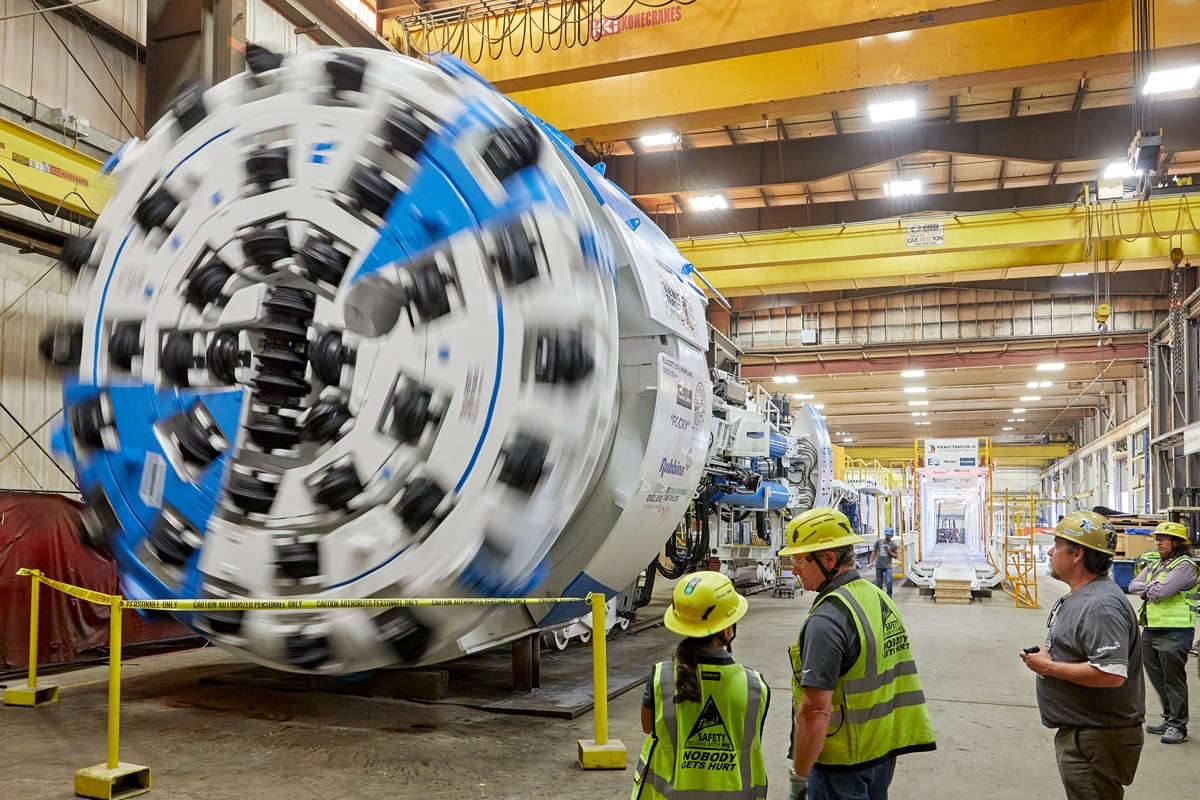
Crews use excavation equipment such as tunnel boring machines to break through rock and soil. This equipment has a rotating disc called a cutterhead, along with a shield that supports the walls as the machine moves. An accompanying conveyor system removes the excavated material.
Some tunnel boring machines use compressed air to counteract the hydrostatic ground pressure placed against the cutterhead. Compressed air also supports the tunnel face by balancing the ground’s hydrostatic pressure.
Because compressed air is a reliable power source, workers use it to run pneumatic tools, such as drills or saws. Air-powered excavation tools are also often more suitable than other options when a project requires working close to irrigation infrastructure, which equipment such as backhoes could damage.
Similarly, workers use pneumatic dewatering pumps underground to remove liquid from excavated areas. Failing to do that quickly could damage specialty equipment and create unsafe working conditions.
Proactiveness comes from careful planning. Industrial, continuous-duty air compressors support decision-makers in organizing excavations while helping them feel confident in achieving safe, effective outcomes.
4. Facilitating Safety
Tunneling work comes with inherent dangers. Fortunately, technology makes it easier to maintain safety. Predictive systems collect real-time data to encourage acting before accidents happen.
Some maintenance-related offerings also directly support expected air compressor performance by warning designated parties of unusual operating conditions that may signal a faulty or failing component. Some solutions detect abnormalities such as excessive vibrations or high temperatures, allowing technicians to investigate before unplanned shutdowns occur.
If equipment problems persist unnoticed, workers could develop a false sense of security from believing that the systems designed to protect them and facilitate productive work will operate as intended. Unaddressed maintenance needs may prevent that assumption.
Many fire and life safety systems used inside tunnels require compressed air. The compressors maintain precise supervisory air pressure levels, preventing false alarms and valve malfunctions. They also stop water from entering the surrounding piping until sprinkler systems activate.
Fire-suppression technologies support contractors working on tunnel projects. They also address the safety of anyone who uses the completed structure. Sprinkler systems and other components that work correctly minimize a blaze’s damage and help firefighters control the situation more efficiently.
Supporting Project Completion
Whether air compressors run pneumatic dewatering pumps underground or ensure that fire and life safety systems work promptly, they are indispensable for timely project completion. Those planning to use them must determine the particulars for their intended applications. That may mean confirming the tunneling shotcrete air requirements before applying concrete or deciding how air compressors will support a specific safety requirement. Solidifying those factors early and getting relevant input when needed enables successful tunneling projects worldwide.
Emily Newton is a construction and industrial journalist.
Comments are closed here.