
High-Speed Rail Authority Issues Draft 2026 Business Plan

The California High-Speed Rail Authority (Authority) on Feb. 28 issued its Draft 2026 Business Plan for 60-day public review and comment. The overall projected cost for Phase 1 delivery, between San Francisco and Los Angeles/Anaheim, dropped by $1.7 billion due to streamlining efforts aimed at making high-speed trains a reality as quickly and economically as possible.
Through partnerships, proposed private financing, and legislative changes, the Authority has laid out a clear, cost-effective approach to taking travelers from San Francisco to Los Angeles. The Authority also envisions creating new revenue streams through real estate development, ancillary projects, and initial fare service that will help pay for the delivery of transformative transportation.
“The Draft 2026 Business Plan sets out the path forward: completion of Merced to Bakersfield, expansion to major population centers for revenue positive service, and early asset commercialization to produce additional revenue to build out high-speed rail. It explains how we build from progress underway, prioritize investments that produce early and durable commercial benefits, and create the conditions for long-term financial strength and private-sector participation as the system expands,” said Authority Board Chair Tom Richards.
Based on proven global best practices for development of high-speed rail, the Draft Business Plan includes policies and implementation tools that would help speed the delivery of high-speed rail.
High-Speed Rail Progress
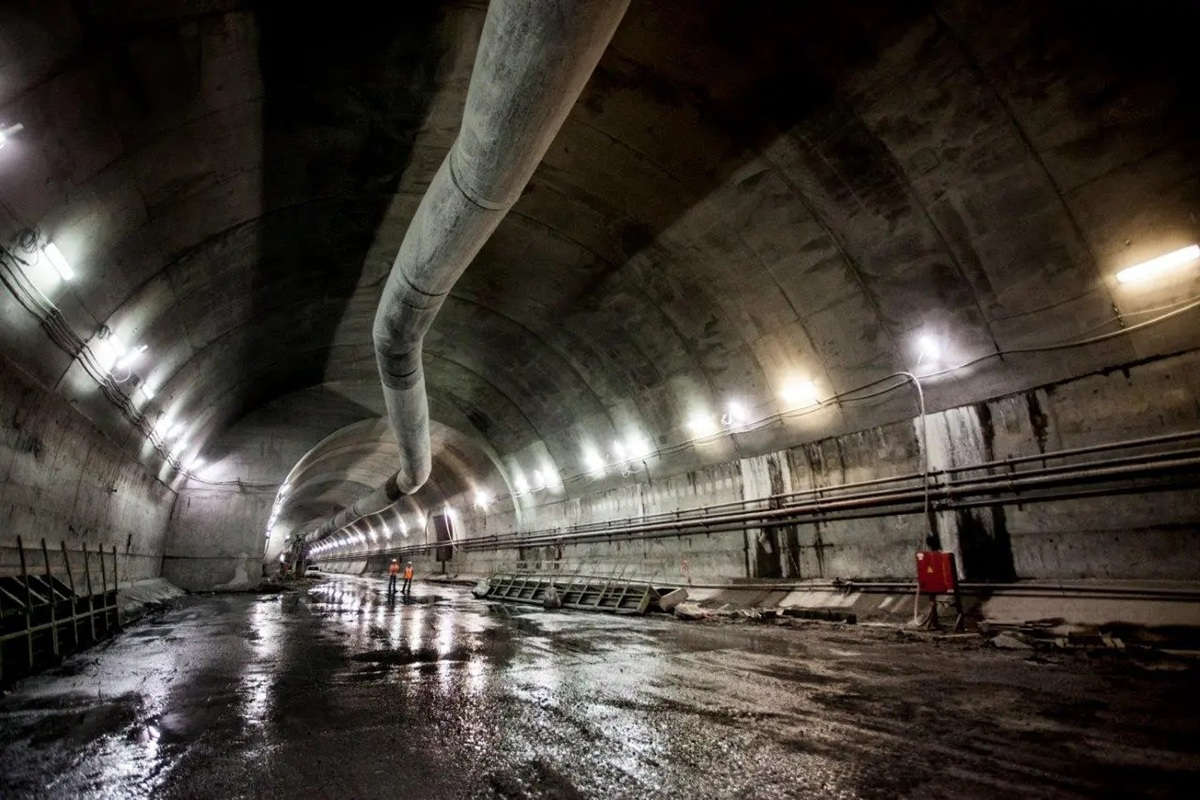
Work continues daily on the high-speed rail project, with 171 miles currently under design and construction from Merced to Bakersfield. Nearly 80 miles of guideway are complete, along with nearly 60 fully completed major structures, and 29 more structures underway across Madera, Fresno, Kings and Tulare counties.
The project continues to advance statewide, with 463 miles of the 494-mile San Francisco to Los Angeles/Anaheim system fully environmentally cleared and construction ready.
Since construction began, the project has created more than 16,400 good-paying jobs—most filled by Central Valley residents. Up to 1,700 workers report to high-speed rail construction sites each day.
Click here for more on construction updates and progress.


Comments are closed here.